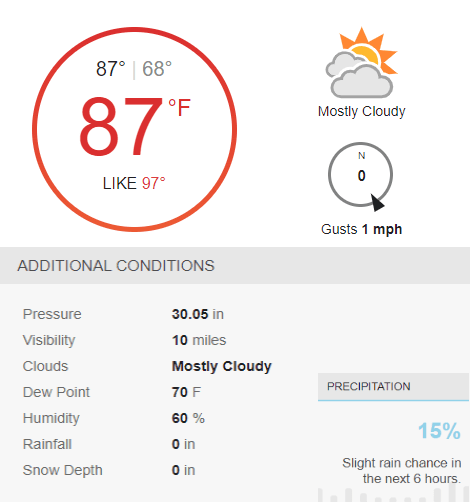
Insightful weather information goes beyond basic forecasts by providing context, revealing impacts on various sectors, and leveraging advanced technology to offer a deeper understanding of atmospheric conditions. Key insights extend to daily life, specific industries, and even global climate change analysis.
Weather apps provide information such as temperature, wind speed, air pressure, humidity, cloud cover, and precipitation by collecting data from satellites, ground stations, and radar. This data feeds into complex weather models like NOAA's Global Forecast System (GFS), which are then interpreted by the app to generate forecasts for specific locations. The reliability of these forecasts depends on the quality of the data sources, the sophistication of the models, and the app's ability to account for localized changes and microclimates.

Interpreting daily weather information Standard weather reports include components like temperature, precipitation chances, wind speed and direction, and humidity. A deeper understanding can be gained by analyzing how these elements combine and evolve:
- Probability of Precipitation (PoP): Indicates the percentage chance of rain or other precipitation within the forecast area. For example, a "scattered" forecast suggests a 30–50% PoP across a wide area.
- Reading beyond icons: While icons offer a quick glance, reading the detailed text provides a more accurate and nuanced picture of conditions. This includes specific descriptions of cloud cover, wind, and precipitation types. Severe weather alerts: Knowing the difference between advisories, watches, and warnings can inform your level of preparation.
- Advisory: Weather conditions may cause inconvenience but are not life-threatening.
- Watch: Conditions are favorable for hazardous weather to develop, so you should stay alert.
- Warning: Hazardous weather is imminent or occurring, and immediate action may be necessary.
- Hourly vs. daily forecasts: Hourly forecasts are generally more accurate for short-term planning, while daily forecasts provide a broader overview for longer-term decision-making.
- Temperature
Weather apps provide information such as temperature, wind speed, air pressure, humidity, cloud cover, and precipitation
- weather.com: popular, baselune weather site
- weatherunderground: good 10-day forecase, nice wind and precicipation charts: the U.S. NOAA (National Oceanic and Atmospheric Administration) weather and climate resources page with LOTS of links
- US govt weather resources: good 10-day forecase, nice wind and precicipation charts
- CalFire map: State CalFire site with map of active fires